
تجربۀ تفکر

درباره سایت
آخرین مطالب
- نکتهای درباب عنوان کتاب as I Lay dying از ویلیام فاکنر
- بخشی از نامۀ امیرالمؤمنین امام علی ع به امام حسین ع در منبعی یهودی
- کمی پیشاتاریخ مفهوم «اعلان صوری» نوشتۀ احسان محمدی
- دربارۀ پایدیا و پایس در یونانی
- مرور/ کتابگزاری ژاک دوشن-گیمن دربارۀ کتاب زرتشت سیاستمدار یا کاهن-طبیب
- کورش و کیخسرو از جلال خالقی مطلق و کوتاه درباب ضبط نام کورش از محمد نورالهی
- درباب معضل ترجمۀ «نیست»/ Nicht/ nothing از زبانهای اروپایی به فارسی
- چرا قرآن ابلیس را در شمار فرشتگان آورده است
- نمایۀ فضیلت/ ἀρετή در اخلاق نیکماخسی ارسطو
- یک توارد جالب توجه بین کلامی از امیرالمؤمنین و هسیُدُس یونانی
امکانات وب
به نام خداوند جان و خرد
مرور/ کتابگزاری ژاک دوشن-گیمن دربارۀ کتاب زرتشت، سیاستمدار یا کاهن-طبیب؟
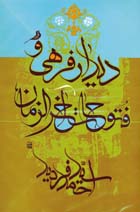
W. B. HENNING: Zoroaster, Politician or Witch-doctor? (Ratanbai Katrak Lecture, 1949.) 51 pp. London: Cumberlege, 1951, 58.
Under this intriguing title, Prof. Heing gives us, in a most enjoyable form, his three Ratanbai Katrak lectures of 1949. His portraits of the prophet, as seen alternately through Herzfeld's or Nyberg's spectacles, are full of wit and humour. He may, however, have shot beyond the mark when (p. 32 sq.), in criticizing the hypothesis of Zoroaster's 'shamanism', he goes so far as to deny the existence of hemp-intoxication in ancient Iran. For how would he then account for the Iranian loan-word in vogul[1] pāŋχ, ostyak[2] poŋχ Agaricus muscarius' (as a means of intoxication-apparently a substitute for hemp), etc.? (Cf. Bernhard Munkácsi, "Pilz" u. " Rausch"", Keletï Szemle, 1907, pp. 343-4, already alleged by Wikander, apud Mircea Eliade, Le Chamanisme, Paris, 1951.)
استاد هنینگ تحت این عنوان جذاب، سه سخنرانی راتانبای کاتراک خود در سال ۱۹۴۹ را به شکلی بسیار لذتبخش برایمان ایراد میکند. تصویرسازیهای او از پیامبر، آنطور که به تناوب از دریچۀ هرتسفلد یا نیبرگ دیده میشود، سرشار از شوخطبعی و بذلهگویی است. با این حال، شاید وقتی (ص۳۲ و بعد) در نقد فرضیۀ نسبت زرتشت با «آیین شمنی»، تا آنجا پیش میرود که وجود مسمومیت با شاهدانه در ایران باستان را انکار میکند، از حد مجاز تجاوز کرده باشد. در این صورت، او چگونه میتواند وامواژۀ ایرانی [بنگ یعنی] pāŋχ در زبان وُگول [حوزۀ شمالی اورال] و poŋχ در زبان اُستیاک [در حوزۀ سیبری] برای قارچ Agaricus muscarius (چونان وسیلهای برای مسمومیت - ظاهراً جایگزینی برای شاهدانه/ بنگ) و غیره را توضیح کند؟ (ر.ک. Bernhard Munkácsi، "Pilz" und "Rausch"، مجلۀ Keletï Szemle، [ش8،] 1907، ص343-344، منقول در Mircea Eliade، Le Chamanisme، پاریس، 1951 [پینوشت 59 فصل 11، ص518 مربوط به ص358] طبق اشاره و راهنمایی استیگ ویکاندر.)
[L’importance de l’ivresse demandée au chanvre est confirmée, d’autre part, par l’énorme diffusion du terme iranien a travers l’ Asie centrale. Le mot iranien désignant le chanvre, bangha, en est venu à désigner, dans nombre de langues ougriees, aussi bien le champignon chamanique par excellence, agaricus muscarius (qui est justement utilisé comme moyen d’intoxication avant ou pendant la séance) que l’ivresse (59): cf. par exemple le vogoul pânkh, «champignon» (Agaricus muscarius), mordvin panga, pango, tchérémisse pongo, «champignon».
Dans le vogoul septentrional, pânkh signifie également «ivresse, ivrognerie». Les hymnes aux divinités font aussi allusion à l’extase provoquée par l’intoxication avec les champignons (Munkácsi, p. 344). Ces constatations prouvent que le prestige magico-religieux de l’intoxication à fin extatique est d’origine iraniee.
اهمیت مستی حاصل از کنف با گسترش عظیم این اصطلاح ایرانی در سراسر آسیای میانه بیشتر تأیید میشود. کلمۀ ایرانی برای کنف، bangha، در بسیاری از زبانهای اوگری، هم به قارچ اصلی شمنی، Agaricus muscarius (که دقیقاً به عنوان وسیلهای برای مستی قبل یا در طول جلسۀ احضار ارواح استفاده میشود) و هم به مستی اشاره دارد(59): مثلاً ر.ک pânkh در زبان وُگول به معنی «قارچ» (نوع Agaricus muscarius)، pango، pongo در زبان مُردوی و pongo نزد چرمیسها [مردمی فینو-اوگری در اروپای شرقی که به طور سنتی در امتداد رودخانههای ولگا و کاما در روسیه میزیستند]، به معنی «قارچ». در شمال وگول، pânkh همچنین به معنای «مستی، مست شدن» است. سرودهای مربوط به خدایان نیز به وجد ناشی از مستی با قارچ اشاره دارند (Munkacsi، ص 344). این یافتهها ثابت میکند که اعتبار کاهنی-مذهبی مستی برای اهداف وجدآور، منشأ ایرانی دارد.
Ajouté aux autres influences iraniees en Asie centrale, sur lesquelles nous reviendrons, le bangha illustre le degré qu’atteignit le prestige religieux de l’Iran. Il est possible que la technique de l’intoxication chamanique soit, chez les Ougriens, d’origine iraniee. Mais qu’est-ce que cela prouve pour l’expérience chamanique originaire? les narcotiques ne sont qu’un substitut vulgaire de la transe «pure». Nous avons déjà eu l’occasion de constater chez plusieurs peuples sibériens le fait que les intoxications (alcool, tabac, etc.) sont des iovations récentes et qu’elles accusent en quelque sorte une décadence de la technique chamanique. On s’efforce d’umiter par livresse narcotique un état spirituel qu’on n’est plus capable d’atteindre autrement. Décadence ou, faut-il ajouter, vulgarisation d’une technique mystique, dans l’Inde anciee et moderne, dans l’Orient tout entier, on rencontre toujours ce mélange étrange des «voies difficiles» et des «voies faciles» pour réaliser l’extase mystique ou telle autre expérience décisive.
59. Bernhardt Munkacsi, «“Pilz” und “Rausch”» (Keleti szemle, VIII, Budapest, 1907, p. 343-344). Je dois cette référence a l’amabilité de Stig Wikander.]
علاوه بر سایر تأثیرات ایرانی در آسیای مرکزی که بعداً در مورد آنها بحث خواهیم کرد، «بنگ» میزان اعتبار مذهبی ایران را نشان میدهد. این احتمال وجود دارد که فن مستی شمنی در میان اوگریاییها منشأ ایرانی داشته باشد. اما این چه چیزی را درباب تجربۀ شمنی اصلی ثابت میکند؟ مواد مخدر صرفاً جایگزینی مبتذل برای خلسۀ «خالص» هستند. ما قبلاً در میان چندین قوم سیبری مشاهده کردهایم که مستکنندهها (الکل، تنباکو و غیره) نوآوریهای متأخر اند و به نوعی معرف افول فن شمنی هستند. فرد تلاش میکند تا از طریق مستی مخدر، حالتی معنوی را تقلید کند که دیگر قادر به رسیدن به آن از طریق دیگر نیست. انحطاط، یا باید اضافه کرد، رواج یک فن عرفانی، در هند باستان و نو، در سراسر شرق، همیشه با این ترکیب عجیب از «راههای دشوار» و «راههای آسان» برای دستیابی به وجد عرفانی یا تجربۀ بارز دیگری روبرو میشود.]
Heing has dealt especially- in the masterly fashion which is his in all matters historical or philological- with the questions of the date and place of Zarathustra. On the basis of Tâqîzâde's and Hildegarde Lewy's researches he shows with perfect clarity that the latest (Nyberg's) attempt at disproving the traditional date of 258 years before Alexander' is no more valid than all the previous arguments to the same purpose. As for Zoroaster's location, his own study of the Khwarezmi material, still largely unpublished, has enabled Heing, with the additional help of Markwart's treatment of Herodotus's evidence, to make fairly certain that Vištaspa's kingdom was no other than Chorasmia, but a sort of greater Chorasmia' (phrase mine) extending over the larger part of Eastern Iran. There the matter will probably rest, in our time', despite the objections of Altheim, Zarathustra u. Alexander der Grosse', in La Parola del Passato, 1951, p. 321 sq.
هنینگ بهویژه - به شیوهای استادانه که در تمام مسائل تاریخی یا زبانشناختی از آن اوست - به پرسشهای مربوط به تاریخ و مکان زرتشت پرداخته است. او بر اساس تحقیقات تقیزاده و هیلدگارد لوی با وضوح کامل نشان میدهد که آخرین تلاش (نیبرگ) برای رد تاریخ سنتی ۲۵۸ سال پیش از اسکندر، به هیچ وجه معتبرتر از تمام استدلالهای قبلی با همین هدف نیست. درباب مکان زرتشت، مطالعۀ شخصی هنینگ روی مواد و مصالح زبان خوارزمی که هنوز تا حد زیادی منتشر نشده است، او را قادر ساخته است تا با کمک اضافیِ برداشت مارکوارت از شواهد هردت، کاملاً مطمئن شود که پادشاهی ویشتاسپ چیزی جز خوارزم نبوده، بلکه نوعی خوارزم بزرگتر (به عبارت من) بوده که در بخش بزرگتری از ایران شرقی گسترش یافته است. احتمالاً «در زمان ما»، علیرغم اعتراضات آلتهایم در Zarathustra und Alexander der Grosse (چاپشده در La Parola del Passato، 1951، ص321 و بعد)، موضوع در همین جا متوقف خواهد ماند.
After such decisive contributions to our knowledge of the time, place, and language of Zarathustra, one caot help feeling sorry as one becomes aware, on p. 45, that less than six pages are left to deal with what makes Zarathustra important at all: his religion... One comes almost to regret that so much space should have been wasted criticizing Nyberg's and Herzfeld's views. In this, however at least, in half of this- Heing was only complying with the expressed wishes of the Electors to the Lectureship that he should define his attitude towards the theories propounded by Professor Nyberg'- which constitute, indeed, the most remarkable treatment of the subject in recent years, we should even say a notorious stumbling-block in the field of Iranian scholarship. But regarding Herzfeld's views, the same careful attention seems less justified-although they partly help the author refute Nyberg. For who, among the scholars, has taken Zoroaster and his World but as an enormous and- alas, poor Herzfeld!- perhaps unconscious joke?
پس از چنین سهم بارزی در دانش ما از زمان، مکان و زبان زرتشت، نمیتوان از احساس تأسف خودداری کرد، زیرا در صفحه ۴۵ متوجه میشویم که کمتر از شش صفحه برای پرداختن به آنچه زرتشت را اصلاً مهم میکند باقی مانده است: دین او... . ما از اینکه این همه فضا صرف انتقاد از دیدگاههای نیبرگ و هرتسفلد شده است تقریباً پشیمان میشویم. در این اثر، باری در نیمی از این اثر، هنینگ تنها با خواستههای اعلامی گزینشگران کرسی سخنرانی که باید نگرش خود را نسبت به نظریههای استاد نیبرگ بیان کند، همراهی کرده است - نظریههایی که درواقع، قابل توجهترین بررسی این موضوع در سالهای اخیر و حتی باید گفت یک مانع رسوا در حوزۀ پژوهشهای ایرانی هستند. اما درباب دیدگاههای هرتسفلد، همین توجه دقیق کمتر موجه به نظر میرسد - اگرچه تا حدودی به نویسنده کمک میکند تا نیبرگ را رد کند. زیرا در میان محققان چه کسی [جز هرتسفلد] است که زرتشت و جهان او را جز یک شوخی بزرگ و شاید ناخودآگاه - افسوس، هرتسفلد بیچاره! - در نظر نگرفته است؟
In his own treatment of Zoroaster's religion, Heing seems anyhow to underrate his own originality when he writes: “a critic may well point out that I have failed to say anything new.” In fact, the newest and most arresting statement of Heing's lies perhaps in this section of his book: Zoroaster's religion', he writes on p. 46' (as are most dualistic movements) is best understood as a protest against monotheism'. What a pity that no attempt at proving this should even be outlined! Is it not, one may suspect, because this would involve taking account of Dumézil's researches on the Amaša Spanta's (Georges Dumézil, Naissance d'Archanges, Paris, Gallimard, 1944: see now, for all further references, the latest book by the same author, La Religion des Indo-européens, Paris, Presses Universitaires, 1952), a subject which Heing obviously wants to avoid at all costs? In fact, he does not even mention the Amaša Sponta's, whilst the gâthâs are literally crowded with them… .
به نظر میرسد هنینگ در برخورد خود با دین زرتشت، به نوعی اصالت خود را دست کم میگیرد، وقتی [در ص51 متن اصلی، ص94 ترجمۀ فارسی] مینویسد: «یک منتقد میتواند به خوبی اشاره کند که من نتوانستهام چیز جدیدی بگویم.» [ترجمۀ کامران فانی: «چه بسا منتقدی بهدرستی یاداور شود که من حرف تازهای به میان نیاورده ام»] درواقع، جدیدترین و گیراترین جملۀ هنینگ شاید در این بخش از کتابش نهفته باشد، او در صفحۀ ۴۶ مینویسد: «دین زرتشت (مانند اکثر جنبشهای دوگانهانگارانه) بهتر است اعتراضی به یگانهانگاری درک شود». چه حیف که هیچ تلاشی برای اثبات این موضوع حتی نباید مطرح شود! نمیشود فرض کرد که چنین است؟ زیرا این امر مستلزم در نظر گرفتن تحقیقات دومزیل درباب اَمِشَه سپنتههاست (ژرژ دومزیل، Naissance d'Archanges، پاریس، گالیمار، ۱۹۴۴. اکنون برای هر منبع بیشتری، به آخرین کتاب همین نویسنده، La Religion des Indo-européens، پاریس، Presses Universitaires، ۱۹۵۲ مراجعه کنید)، موضوعی که هنینگ آشکارا میخواهد به هر قیمتی از آن اجتناب کند. درواقع، او حتی به اَمِشَه سپنتهها اشاره نمیکند، درحالیکه گاهان به معنای واقعی کلمه مملو از آنهاست...
As it is, his statement of opinion, quoted above, is neither more nor less than a challenge (which I have humbly taken up in my Ormazd et Ahriman, Paris, Presses Universitaires, 1953).
در حال حاضر، بیان نظر او که در بالا نقل شد، چیزی بیش از یک مناقشه نیست (که من فروتنانه در کتاب Ormazd et Ahriman [اورمزد و اهریمن]، پاریس، انتشارات دانشگاهی، ۱۹۵۳، به آن پرداختهام).
However, Heing does not finish his tantalizing little book without favouring us- as if by way of compensation- with an as yet partly unpublished text (M 28), thanks to which the origin of the 'evidence' on Zervanism given by Christian authors in the 4th and 5th centuries can now be traced back one century earlier.
با این حال، هنینگ کتاب کوچک و وسوسهانگیز خود را بدون لطف به ما به پایان نمیرساند -گویی بهعنوان جبران مافات- با متنی که هنوز کامل منتشر نشده است (دستنوشت 28)، که به لطف آن، منشأ «شواهد» مربوط به آیین زروانی که نویسندگان مسیحی در قرنهای چهارم و پنجم گزارش کرده اند، اکنون میتواند به یک قرن قبلتر بازگردد [ر.ک. «پیوست»].
JACQUES DUCHESNE-GUILLEMIN
ژاک دوشن-گیمن
پیوست:
It has been evident for some time that all the principal anti-Zervanite writers based themselves on one and the same source. At present it is generally held that this ultimate source was the book, On the Persian Magism, by Theodore of Mopsuestia, a Christian bishop who died in about A.D. 428. This view leaves out of account a hitherto inaccessible Manichaean text written in the Middle Persian language. The Manichaean fragment(1) mentions the demon Māhmi, known otherwise only from the Armenian Eznik, and describes his functions in such a way as to leave no doubt that its author used the same book as the one that lay before the other anti-Zervanite writers. The Manichaean author was one I of Mani's first disciples (Abursām or someone close to him) and so must have written about a century before the lifetime of Theodore of Mopsuestia. Moreover, it is clear from the forms of the Persian names used in the ultimate source (e.g. MPers. m'hmy, Arm. Mahmi) that it caot have been written in the Greek language. There are traces of the Persian dialect in which the Manichaeans wrote, i.e. the language of the Sassanian court, which the Persians called Dari; thus the names of the demons Kundi(2) and Gandarawa(3) show the assimilation of -nd- to --, which is characteristic of that Persian dialect. The nature of the book that gave a description of Zervanism remains thus an unsolved problem.
1. M 28. F. W. K. Müller [in Handschriften-Reste in Estrangelo-Schrift aus Turfan, Chinesisch-Turkistan, B. 1] published a part of it, but omitted the most interesting sections. The captions are: R jwwg 'yg 'bwrs'm, V gwyšn 'yg = the verse-homilies of the congregation (Arm. jok, &c.) of Abursam. The folio contains parts of three alphabetic poems (the last three verses of one poem, one whole poem, and the first six verses of another) abusing other religions. The lines on the Zervanists form part of the second poem (verses h, w, z, ḥ- with 'wd in the manuscript in place of the original u). Text and translation:
[H] h' dwdy 'ymyš'nc
'c 'ydr xwd d'nynd
And do not also those
know by this very fact
ky prystynd 'dwr swcyndg
kwš'n 'bdwmyy 'w 'dwr
that worship the blazing Fire
that their end belongs to Fire?
[W] 'wd gwynd kw 'whrmyzd
'wd pdys'y 'yn sxwn
And they assert that Ohrmizd
it is consistent with such ideas
'wd 'hrmyn br'dr hynd
rsynd 'w wnywdyḫ
and Ahrmen are brothers—
that they will come to an evil end.
[Z] z'wr u p'dys'gyḫ
kwš m'hmy dyw hmwxt
Falsehood and slander
That Mahmi, the demon, had taught him
gwynd 'br 'whrmyzd
šhr rwšn qyrdn
they tell against Ohrmizd:-
to make the world light.
[Ḥ] hnzynynd u nh'ynd
u bwd hy[nd] dwšmyn
They murder and cut to pieces
they have been hostile
d'm 'y 'whrmyzd u 'hrmyn
'y hrw dw[n'n] ṱwhmg'n
the creatures of Ohrmizd and Ahrmen:
to both the Families.
[1] . مردمی شکارچی و گلهدار در کوههای شمالی اورال در غرب روسیه در آسیا، شبیه به ووتیاکها و مجارها (ویکیپدیا).
[2] . اُستیاک (به روسی: Остя́к) نامی است که قبلاً برای اشاره به چندین قوم و زبان بومی در سیبری، روسیه استفاده میشد. هم قوم خانتی و هم قوم کت قبلاً اُستیاک نامیده میشدند، در حالی که به قوم سلکوپ، استیاک-ساموید گفته میشد (ویکیپدیا).
سوالات متداول
چرا مرور/ کتابگزاری ژاک دوشن-گیمن دربارۀ کتاب زرتشت، سیاستمدار یا کاهن-طبیب؟ اهمیت دارد؟
این موضوع به دلیل اطلاعات و کاربردهای مرتبط، مورد توجه کاربران قرار گرفته است.
مرور/ کتابگزاری ژاک دوشن-گیمن دربارۀ کتاب زرتشت، سیاستمدار یا کاهن-طبیب؟ چیست؟
در این مطلب اطلاعات، جزئیات و نکات مرتبط با مرور/ کتابگزاری ژاک دوشن-گیمن دربارۀ کتاب زرتشت، سیاستمدار یا کاهن-طبیب؟ بررسی شده است.
آخرین اطلاعات درباره that چیست؟
جدیدترین اطلاعات و تغییرات مربوط به that در این گزارش ارائه شده است.
برچسب:
نویسنده: مهسا طاهری